A Talk Art Research Report
Indian Art Market Outlook – June 2026
-- Research & Compiled by Aakriti Art Gallery team
Executive Summary
The Indian art market enters the second half of 2026 with renewed confidence, supported by strong domestic wealth creation, expanding collector demographics, increasing institutional engagement, and sustained international interest in Indian modern and contemporary art. While blue-chip masters continue to dominate auction headlines, the broader market is showing signs of diversification, with greater attention being paid to sculpture, regional modernism, abstraction, women artists, and research-backed collecting.
Globally, the art market returned to growth in 2025 after two years of decline, recording an estimated US$59.6 billion in sales, a 4% increase year-on-year, while public auction sales rose by 9%. Importantly, transaction volumes also increased, indicating a widening collector base rather than growth driven solely by trophy purchases. (artbasel.com)
For India, the outlook remains positive, with strong domestic demand expected to continue driving market activity through 2026 and beyond.
1. Indian Art Market: A Structural Shift
The Indian art market is no longer driven exclusively by a handful of elite collectors. 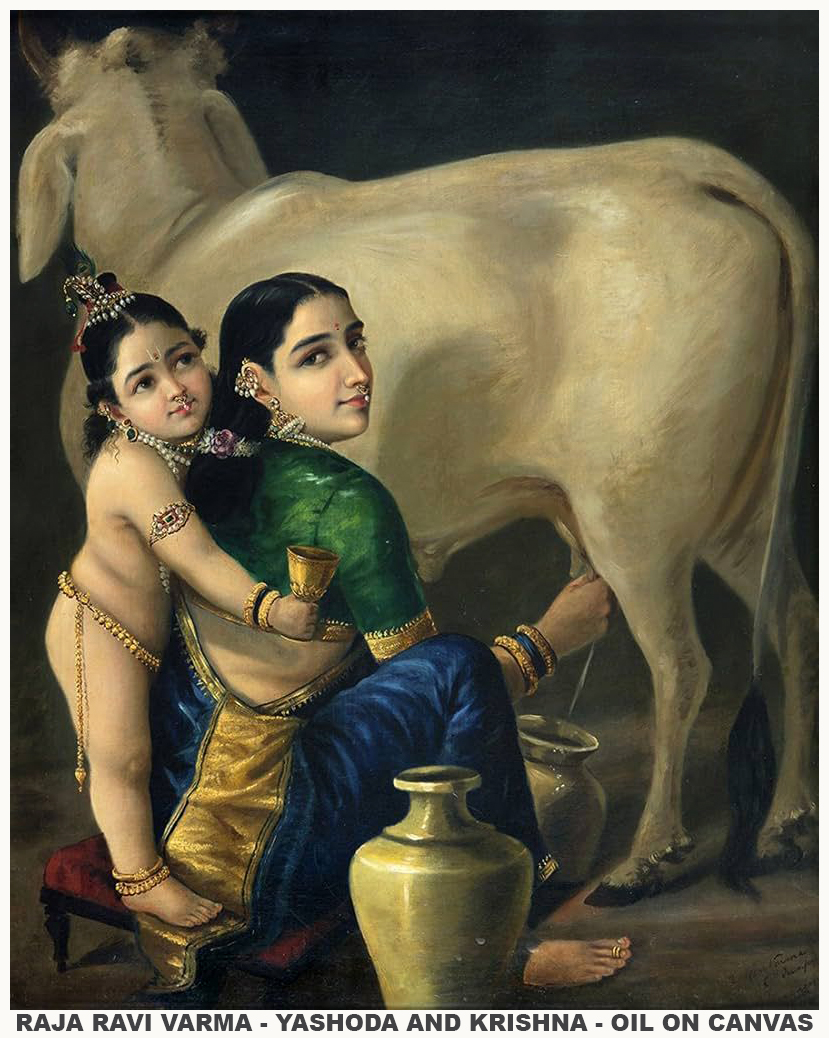
Family offices, entrepreneurs, technology professionals, second-generation business owners, and younger HNWIs are entering the market with greater awareness and research capabilities. Unlike earlier cycles, acquisitions are increasingly informed by scholarship, provenance, exhibition history, and institutional relevance.
This evolution suggests a transition from speculative buying towards knowledge-based collecting.
2. Auction Market Continues to Set New Benchmarks
The last two years have witnessed remarkable auction activity.
Among the headline sales:
- Raja Ravi Varma’s Yashoda and Krishna achieved approximately ₹167 crore, establishing a new benchmark for Indian art.
- M.F. Husain’s Gram Yatra realised around ₹118 crore, reinforcing sustained demand for museum-quality modern works.
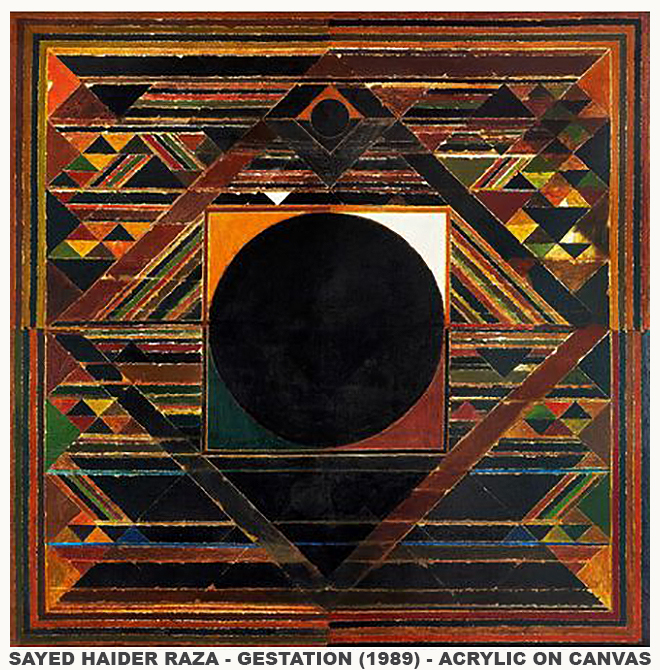
- S.H. Raza’s Gestation crossed ₹51 crore, while works by Tyeb Mehta, F.N. Souza, and Vasudeo S. Gaitonde continue to command exceptional prices in both domestic and international auctions. (The Times of India)
These results demonstrate continued confidence in India’s canonical modernists, particularly for rare works with impeccable provenance.
3. The Market Is Becoming Broader
Perhaps more significant than record prices is the widening breadth of collecting.
Increasing attention is now being directed towards: 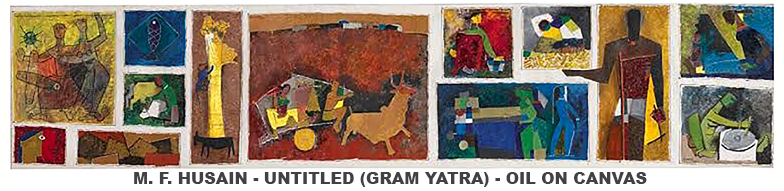
- Senior contemporary painters
- Abstract artists
- Modern and contemporary sculpture
- Printmaking
- Regional schools
- Academic realism
- Women artists
- Archival material and works on paper
Collectors are increasingly building thematic collections rather than simply pursuing marquee names.
4. Scholarship Is Driving Value
One of the defining characteristics of the current market is the growing importance of documentation.
 Collectors increasingly seek:
- Exhibition history
- Published references
- Provenance
- Institutional collections
- Catalogue raisonné inclusion
- Scholarly essays
- Authentication records
Research has become a significant factor influencing confidence and long-term desirability.
In many cases, the strength of documentation is proving almost as important as the artwork itself.
5. Sculpture Is Entering a New Phase
Historically overshadowed by painting, sculpture is gradually receiving greater institutional and collector attention.
Public commissions, museum exhibitions, and private collections are expanding the visibility of three-dimensional practice, encouraging renewed appreciation of both historic and contemporary sculptors.
As availability of museum-quality sculpture remains relatively limited, carefully selected works are likely to attract increasing interest over the coming decade.
6. Abstraction Remains One of the Strongest Segments
Abstract art continues to enjoy sustained demand among both established and younger collectors.
Rather than purely decorative appeal, buyers increasingly seek abstraction that demonstrates a mature visual vocabulary, technical confidence, and intellectual depth.
Indian abstraction has diversified significantly beyond its canonical figures, creating opportunities for collectors to engage with multiple generations of artists working within the language of non-objective painting.
7. Digital Transformation Is Changing Collector Behaviour
The art market has become increasingly digital.
Collectors now routinely consult:
- Online archives
- Virtual exhibitions
- Scholarly blogs
- AI-assisted advisory platforms
- Artist databases
- Digital catalogues
Discovery often begins online before progressing to physical viewing.
The integration of technology with scholarship is likely to define the next generation of art collecting.
8. Global Market Indicators
According to the Art Basel & UBS Global Art Market Report 2026:
- Global sales increased to US$59.6 billion in 2025.
- Dealer sales rose by 2%.
- Public auction sales increased by 9%.
- Transaction volumes reached approximately 41.5 million, reflecting broader participation.
- Nearly 43% of dealers expect further business growth in 2026, indicating improving confidence despite geopolitical uncertainty. (artbasel.com)
These indicators provide a supportive backdrop for continued growth in India, particularly as domestic demand becomes a larger driver of the market.
9. Outlook: 2026–2030
Several structural trends are likely to shape the Indian art ecosystem over the next five years:
Continued strength in blue-chip modern masters
Museum-quality works by established modernists will remain highly sought after due to scarcity and institutional demand.
Greater recognition of senior contemporary artists
As scholarship expands and retrospective exhibitions increase, collectors are likely to pay greater attention to artists with long and distinguished careers whose practices have matured over several decades.
Regional narratives will gain importance
Research into Bengal, Madras, Santiniketan, Baroda, Kerala, and other regional histories is broadening understanding of Indian modernism beyond traditional narratives.
Sculpture and works on paper will grow in prominence
Collectors seeking diversification are increasingly exploring sculpture, printmaking, drawings, and archival material.
AI and digital advisory will influence acquisition decisions
Technology-assisted research, provenance tracking, and personalised recommendations will become increasingly integrated into collecting practices.
Future Prediction
Looking ahead, the Indian art market is likely to experience measured rather than speculative growth.
The greatest appreciation may not necessarily occur among already established record-setting artists, but among those with:
- Strong exhibition histories
- Institutional recognition
- Distinctive artistic languages
- Scholarly documentation
- Limited high-quality supply
- Growing museum and curatorial interest
Rather than dramatic short-term spikes, the market appears poised for broader-based expansion driven by informed collecting and cultural confidence.
If current trends continue, India could emerge as one of the most significant growth markets in the global art ecosystem over the next decade, supported by its expanding economy, increasing collector sophistication, and renewed engagement with its own artistic heritage.
Key Takeaways
- Global art sales rebounded to US$59.6 billion in 2025 after two years of decline. (artbasel.com)
- Indian auction results continue to establish new records for museum-quality modern works. (The Times of India)
- The collector base is becoming younger, broader, and more research-oriented.
- Scholarship and provenance are increasingly influencing acquisition decisions.
- Sculpture, abstraction, regional modernism, and works on paper are gaining renewed attention.
- Digital technology and AI are reshaping how collectors discover and evaluate art.
- Long-term growth is likely to favour quality, authenticity, and historical significance over speculation.
Editorial Disclosure
This report is intended for educational and research purposes only. It should not be construed as financial or investment advice. The value of artworks depends upon numerous factors including authenticity, provenance, condition, rarity, exhibition history, institutional support, scholarly attention, and prevailing market conditions. Forecasts represent editorial opinion based on current trends and should not be interpreted as guarantees of future performance.
Most read articles

Shaping Bengal : A Chronicle of Modern Sculpture
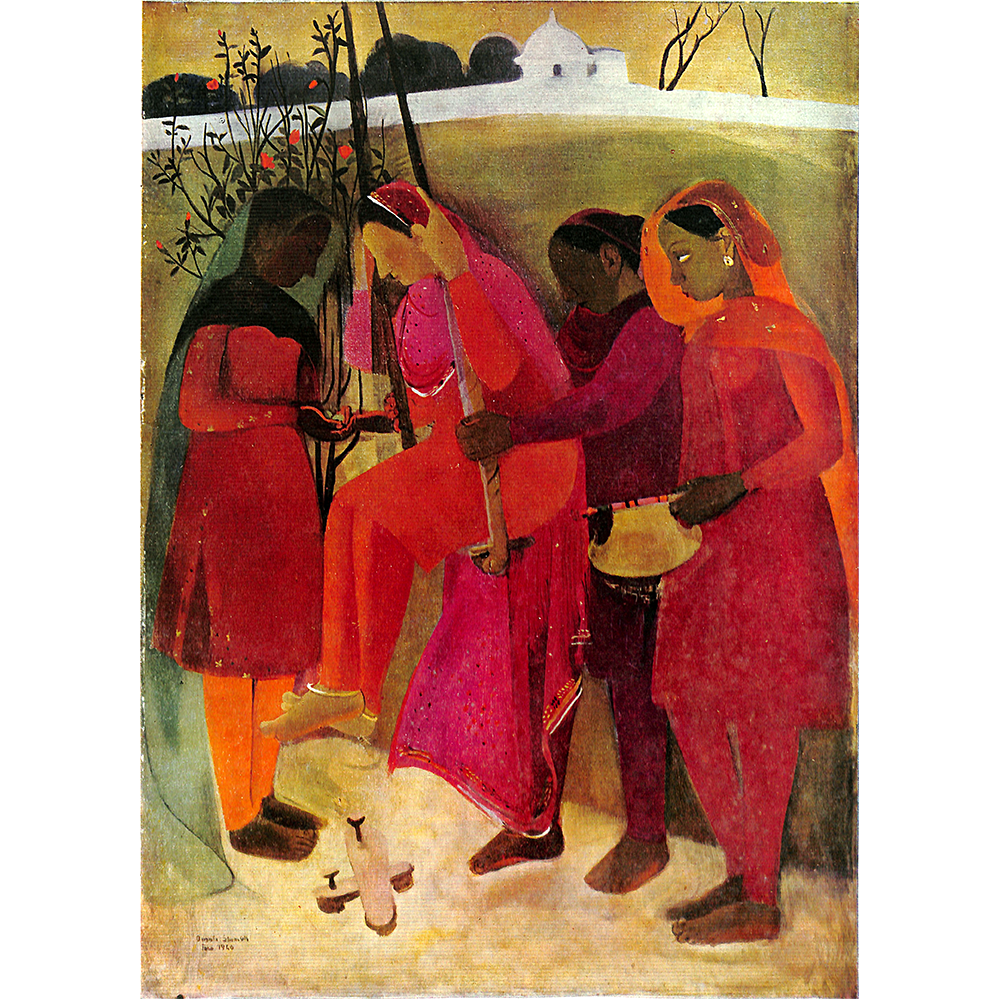
“Europe Belongs to Picasso… India Belongs Only to Me” || Why Amrita Sher-Gil Chose India as Her Artistic Destiny
A Star Amongst Too Many: Chandra Bhattacharjee at Birla Academy of Art & Culture
The Indian Art Market Comes of Age
The Resurgence of the Indian Art Market

Comments
Join the Discussion
Please login to post comments.
Login